

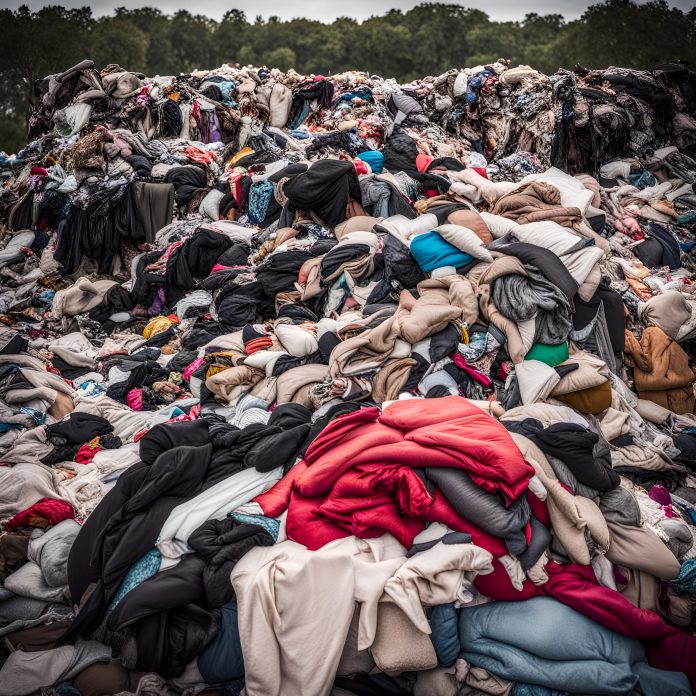
Fast fashion has transformed the global clothing industry. Cheap, trendy outfits appear in stores every week, encouraging consumers to buy more and discard clothes faster than ever before. But while shoppers in wealthy countries enjoy inexpensive wardrobes, the environmental and social consequences are often exported elsewhere. One of the clearest examples of this hidden cost is unfolding in Ghana, where mountains of discarded clothing are overwhelming communities, ecosystems, and waste systems.
Behind the racks of bargain clothing lies a global supply chain that turns places like Accra into dumping grounds for the world’s unwanted textiles.
Fast Fashion and the Global Clothing Explosion
Over the past two decades, the fashion industry has dramatically accelerated production. Globally, consumers now buy over 80 billion pieces of clothing every year, nearly four times more than in the early 2000s. Many of these garments are worn only a few times before being thrown away.
Fast fashion brands rely on speed and low costs. They produce large quantities of inexpensive garments made from synthetic materials that wear out quickly. As a result, clothing is treated more like disposable goods than long-term investments.
Once consumers in Europe, North America, and parts of Asia donate or discard their clothing, much of it is exported to developing countries through the global secondhand trade.
Ghana has become one of the biggest destinations.
READ MORE: 7 Latest Vegan Fashion Trends
Ghana’s Kantamanto Market: The World’s Secondhand Clothing Hub
In the heart of Accra lies Kantamanto Market, one of the largest secondhand clothing markets in the world. The market spans dozens of acres and receives enormous shipments of used garments from across the globe.
Every week, approximately 15 million items of used clothing arrive in the market from countries such as the United Kingdom, the United States, and China.
Locally, these clothes are called “obroni wawu,” which loosely translates to “dead white man’s clothes.” The name reflects a long-standing belief that the garments are so abundant that their original owners must have died to leave them behind.
Traders purchase clothing in tightly packed 55-kilogram bales, often without knowing the exact quality of the items inside. Some pieces can be cleaned and resold, while others are repaired, redesigned, or upcycled into new garments.
But increasingly, many of these clothes are unsellable.
“In Ghana, yesterday’s fashion trends are becoming today’s mountains of textile waste.”
When Secondhand Clothing Becomes Waste
Although the secondhand clothing trade creates jobs for thousands of traders, tailors, and transport workers, it also produces enormous amounts of waste.
Research shows that 30–40% of the clothing imported into Ghana cannot be resold because the garments are damaged, poorly made, stained, or outdated.
That means millions of pieces of clothing quickly become waste.
At Kantamanto alone, over 26 tonnes of textile waste leave the market every week.
Much of this waste ends up in:
• Open dumps:
• Landfills already beyond capacity
• Informal burning sites
• Rivers, lagoons, and beaches
Without adequate recycling infrastructure, the clothing piles up across Accra and nearby coastal areas.
READ MORE: Why Britain’s old clothes are clogging Ghana’s wetlands
Environmental Damage: Beaches, Lagoons, and Wildlife
The environmental impact of textile waste in Ghana is severe.
Discarded clothing frequently clogs drainage systems and washes into waterways during heavy rains. From there, the waste flows into the Korle Lagoon and eventually into the Atlantic Ocean.
Some beaches near Accra are now littered with fabric scraps, tangled garments, and synthetic fibers. In certain cases, discarded clothing has even been found dumped in protected wetlands such as the Densu Delta, threatening wildlife habitats and water quality.
Synthetic fabrics like polyester take decades to break down and release microplastics into the environment as they degrade.
Fast Fashion For fishing communities, the consequences are immediate. Textile waste can entangle fishing nets, reduce fish populations, and damage coastal ecosystems that many families depend on for food and income.
The Economic Burden on Local Communities
Ironically, the secondhand clothing trade that brings economic opportunity also creates financial risks for traders.
Importers must pay upfront for clothing bales, often costing hundreds of dollars each. Because the bales are sealed, traders cannot inspect them beforehand. If too many items inside are unsellable, the trader absorbs the loss.
As fast fashion has expanded globally, the quality of exported clothing has declined. More garments are cheaply made and quickly discarded, increasing the proportion of waste in each shipment.
For many small traders in Ghana, this means taking on debt just to stay in business.
A Waste Crisis Beyond Ghana’s Infrastructure
Ghana’s waste management systems were never designed to handle the scale of the global fashion industry.
Landfills near Accra have already reached capacity, and local authorities struggle to manage the constant flow of textile waste. In some cases, communities burn piles of clothing to reduce the volume, releasing toxic smoke and pollutants into the air.
Environmental groups estimate that the Accra Metropolitan Assembly spends hundreds of thousands of dollars each year trying to collect and dispose of textile waste from markets like Kantamanto.
Even so, much of the waste still escapes into the environment.
Local Innovation and Solutions
Despite the challenges, Ghana is also becoming a hub for creative solutions.
Designers, environmental groups, and entrepreneurs are working to transform discarded clothing into new products. Organizations such as The Revival initiative have already rescued millions of garments from landfill by repairing, redesigning, and upcycling them into new fashion items.
Tailors in Kantamanto also repair clothing, combine fabric scraps, and create entirely new garments from textile waste.
These grassroots efforts demonstrate that a circular fashion system—where clothing is reused and recycled—can reduce waste while creating jobs.
However, many activists argue that the ultimate responsibility must lie with the global fashion industry.
The Need for Global Accountability
The textile waste crisis in Ghana highlights a deeper issue within the global fashion system.
Wealthy countries produce and consume the majority of fast fashion, but much of the environmental burden falls on countries that import secondhand clothing.
Experts and environmental organizations are calling for:
• Extended Producer Responsibility (EPR) laws requiring brands to manage their textile waste
• Reduced production from fast fashion companies
• Investment in textile recycling infrastructure
• Greater transparency in clothing exports
Until these changes happen, countries like Ghana will continue to bear the hidden costs of the world’s fashion addiction.
The Real Price of Cheap Clothes
The next time a $5 shirt or trendy outfit appears irresistible, it is worth asking where that garment might end up.
For millions of discarded clothes, the journey does not end in a recycling bin. Instead, they travel thousands of miles to markets and landfills in places like Ghana.
Fast fashion may be cheap at the checkout counter—but for communities drowning in textile waste, the real cost is far higher.