

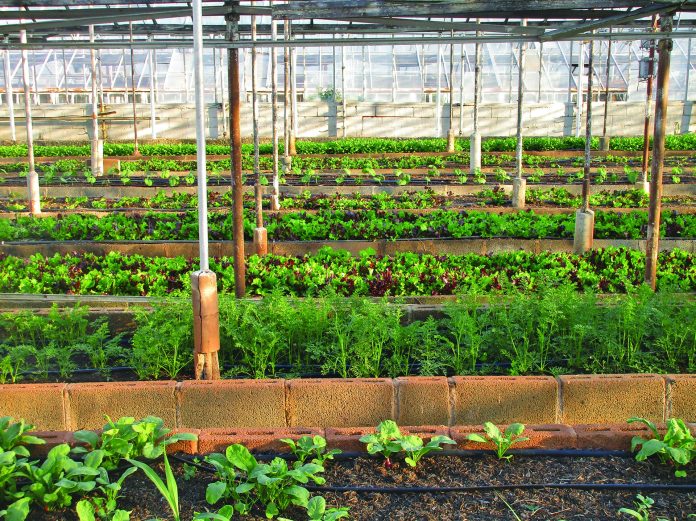
Food gardens are very important. Across the world, cities are undergoing a quiet but powerful transformation. Vacant lots, abandoned spaces, and underutilized land are no longer seen as wasted opportunities, they’re becoming vibrant, productive food gardens. From grassroots initiatives to city-backed programs, urban agriculture is transforming the way we grow and access food.
If you’ve ever wondered how concrete jungles are turning green, here are six surprising and inspiring ways it’s happening.
• Food Gardens: Transforming Vacant Lots into Community Food Hubs
One of the most visible changes is the conversion of empty plots into thriving community gardens. A standout example is Detroit Black Community Food Security Network, which manages the well-known D-Town Farm.
What was once unused land is now a seven-acre farm producing fresh fruits and vegetables for local residents. These kinds of spaces do more than grow food, they empower communities, create jobs, and restore pride in neighborhoods that were once overlooked.
READ MORE: The Right To Food Is A Fundamental Human Right
• Rooftop Farming: Growing Up Instead of Out
In densely populated cities where land is scarce, rooftops are becoming fertile ground. Brooklyn Grange operates one of the largest rooftop soil farms in the world.
Located atop buildings in New York City, these farms produce thousands of kilograms of organic vegetables each year. Beyond food production, rooftop farms help reduce urban heat, manage stormwater, and bring greenery into otherwise gray environments.
If you need to fix or reinforce your roof before starting a rooftop garden, you may seek epicroofingcomp.com/services.
Add outdoor living space with custom-built pergolas Canberra homeowners love.
• Food Gardens: Repurposing Abandoned Buildings into Indoor Farms
Cities are also looking indoors. In Newark, AeroFarms has transformed old industrial spaces into high-tech vertical farms.
Using aeroponics, they grow leafy greens without soil, using up to 95% less water than traditional farming. These indoor farms can operate year-round, providing fresh produce even in harsh climates while making use of abandoned infrastructure.
READ MORE: Inspiring Urban Gardens
• School Gardens That Educate and Feed
Schools are becoming unexpected champions of urban agriculture. The Edible Schoolyard Project, founded by Alice Waters, has helped schools worldwide turn their grounds into productive gardens.
In Berkeley, the original Edible Schoolyard teaches students how to grow, harvest, and cook their own food. These programs not only improve nutrition but also instill lifelong skills and environmental awareness.
• Urban Farming on Roadside and Public Spaces
Cities are reimagining public spaces through edible landscaping. In Seattle, the Beacon Food Forest is a powerful example.
Built on public land, this food forest allows anyone to harvest fruits, vegetables, and herbs for free. Similarly, cities like Lagos are seeing small-scale roadside gardens emerge, where residents grow vegetables in containers and along sidewalks, maximizing every inch of available space.
• Youth-Led and Social Impact Garden Projects
Young people are driving some of the most inspiring urban farming initiatives. In London, GrowUp Urban Farms combines hydroponics with youth engagement and job creation.
Closer to home in Abuja, initiatives like Soilless Farm Lab are training young people to grow food using innovative techniques like hydroponics and aquaponics. These programs tackle food insecurity while equipping youth with valuable skills for the future.
Why This Matters More Than Ever
As urban populations continue to grow, cities face increasing pressure to provide affordable, nutritious food. Urban agriculture is stepping in as a sustainable solution—reducing reliance on imported food, lowering environmental impact, and improving food access.
By turning empty land into productive gardens, cities are also creating jobs, fostering innovation, and building stronger, more connected communities.
The Future of Food Is Already Here
What makes this movement so exciting is its accessibility. Whether it’s a rooftop, a vacant lot, or even a small roadside space, every patch of land holds potential.
From D-Town Farm to the Beacon Food Forest, these thriving spaces prove that cities can feed themselves—creatively and sustainably.
So the next time you pass an empty plot of land, imagine what it could become. In today’s cities, it might just be the start of the next thriving food garden.