

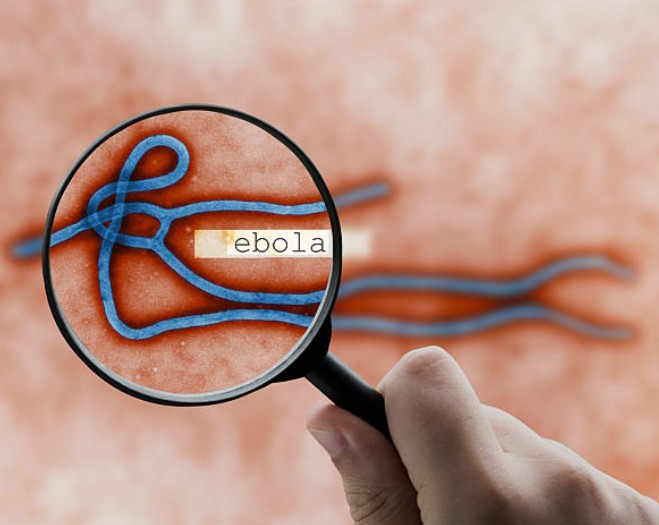
The Ebola outbreak of 2026 has once again put Africa on high alert. With new cases reported in the Democratic Republic of the Congo (DRC) and Uganda, many people are looking for ways to reduce their risk of infection. One question that has sparked debate is whether vegans are safer from Ebola than people who eat meat.
The answer is not as simple as yes or no. While a vegan lifestyle may reduce certain risks, it does not make anyone immune to the virus.
The 2026 Ebola Outbreak
Ebola returned to the spotlight in May 2026 when health authorities confirmed a new outbreak in the Democratic Republic of the Congo. The virus later spread across the border into Uganda, prompting emergency health measures and international concern.
The outbreak is linked to the Bundibugyo strain of Ebola, a rare type of the virus that currently has no widely approved vaccine. Health officials continue to monitor cases closely as they work to contain the spread and prevent further transmission.
Although Ebola outbreaks are relatively rare, the disease remains one of the world’s most dangerous viral infections due to its high fatality rate and ability to spread through direct contact with infected bodily fluids.
Why Some Experts Say Vegans May Have a Lower Risk
One of the ways Ebola can enter human populations is through contact with infected wildlife.
Scientists believe fruit bats are the natural hosts of the virus. Other animals, including monkeys, chimpanzees, gorillas, and antelopes, can also become infected. In some regions, these animals are hunted and consumed as bushmeat.
People who hunt, butcher, transport, prepare, or eat infected animals can potentially be exposed to Ebola before an outbreak is even detected.
This is where vegans may have an advantage.
Because vegans do not consume animal products, they avoid handling and eating bushmeat altogether. By eliminating this source of exposure, they may reduce one potential pathway through which Ebola can infect humans.
READ MORE: It’s Not a Diet, It’s a Lifestyle
Why Vegans Are Not Immune to Ebola
Despite this potential advantage, being vegan does not protect someone from person-to-person transmission.
Once Ebola enters a community, the virus spreads mainly through direct contact with:
– Blood
– Saliva
– Sweat
– Vomit
– Urine
– Breast milk
– Other bodily fluids of infected individuals
The virus can also spread through contaminated bedding, clothing, medical equipment, and traditional burial practices involving contact with the deceased.
This means a vegan nurse, caregiver, family member, or community worker could face the same risk of infection as anyone else if exposed to the virus.
In other words, avoiding meat may lower one risk factor, but it does not eliminate the biggest source of Ebola transmission during an outbreak.
Can a Vegan Diet Help the Immune System?
A well-balanced vegan diet can support overall health.
Foods such as fruits, vegetables, beans, lentils, nuts, seeds, and whole grains provide vitamins, minerals, antioxidants, and fiber that help maintain a healthy immune system.
Research consistently shows that plant-based diets can reduce the risk of chronic illnesses such as heart disease, obesity, and type 2 diabetes.
However, no diet can prevent Ebola infection.
Even the healthiest person can contract Ebola if exposed to the virus. Good nutrition may support recovery and general health, but it is not a substitute for medical treatment or public health measures.
READ MORE: A rare Ebola strain is spreading with no vaccine. Here’s what you need to know
How Everyone Can Protect Themselves
Whether vegan or meat-eater, the most effective ways to reduce Ebola risk include:
– Avoiding contact with sick individuals.
– Washing hands frequently with soap and clean water.
– Following local public health advice.
– Avoiding contact with wildlife and bushmeat.
– Seeking medical care immediately if symptoms develop.
– Cooperating with health authorities during outbreaks.
Early detection and rapid treatment remain critical in controlling Ebola outbreaks and saving lives.
The Bottom Line
So, are vegans safer than meat-eaters during the 2026 Ebola outbreak?
In some ways, yes. Vegans avoid bushmeat and the handling of wild animals that can carry the virus, which may reduce one possible route of exposure.
However, once Ebola begins spreading among people, vegans and meat-eaters face many of the same risks. The virus spreads through contact with infected bodily fluids, not through dietary choices alone.
The best defense against Ebola is awareness, hygiene, early medical care, and following public health guidance. A vegan lifestyle may remove one risk factor, but preventing Ebola ultimately depends on avoiding exposure to the virus and supporting community-wide disease control efforts.